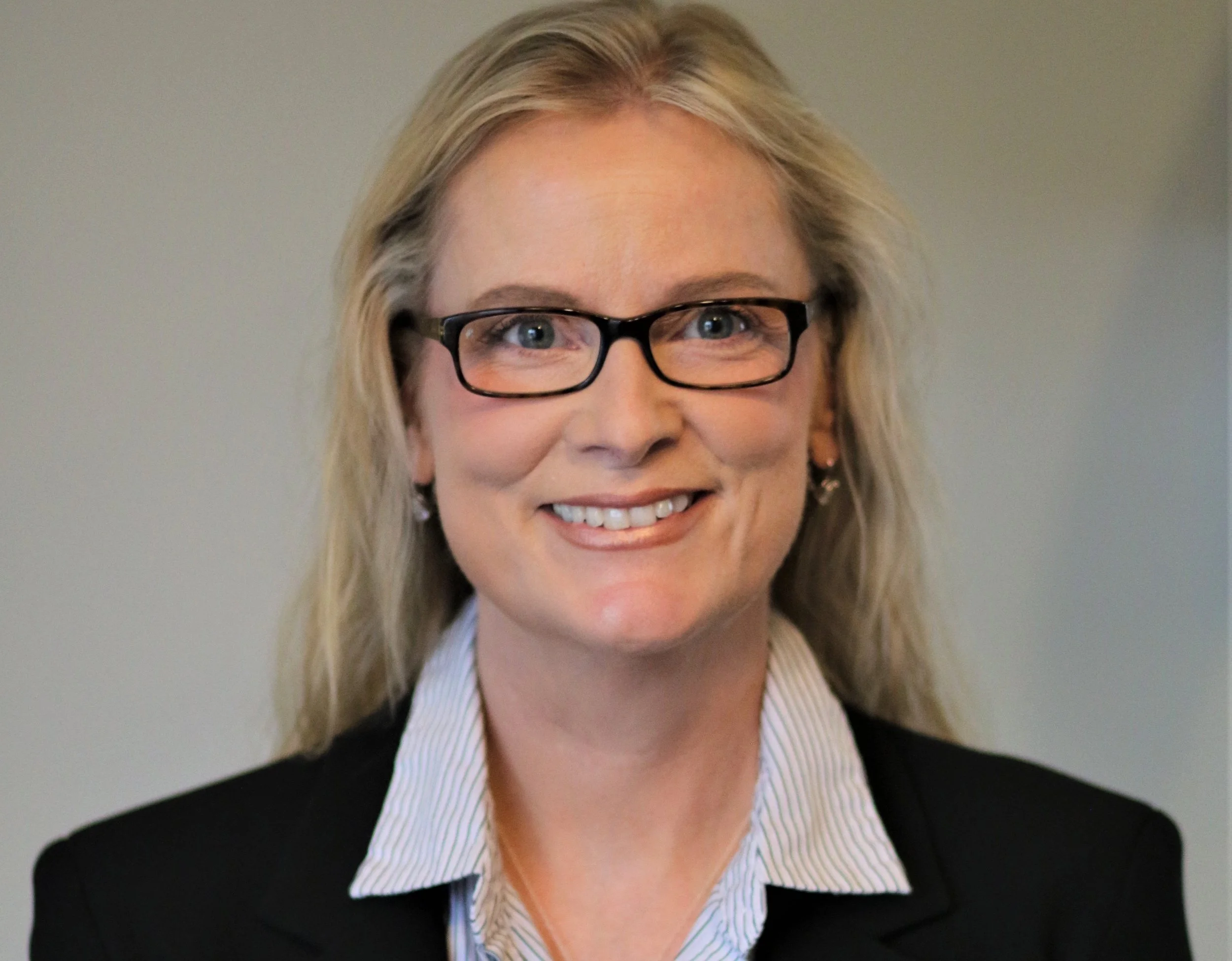
About Mary
(Resilienxt is pronounced reh-ZIL-ee-enxt. If you're already reading it as "resilient," you're not wrong.)
I've spent 25 years solving complex problems alongside people who genuinely care about the outcome. Not just the deliverable. The outcome.
I built Resilienxt because this work is what I love. I'm not driven by the size of the engagement or the length of the contract. I'm driven by the impact. By the moment when a team that was stuck starts to move, and keeps moving long after I'm gone.
Every role I've taken on, in every industry, I've shown up with the same attitude: do your best, help others, and leave things better than you found them. That's not a tagline. It's just how I'm wired.
The name says it all. Most organizations aren't resilient yet. They aspire to be. They're investing in AI and transformation while building on foundations that aren't ready. Messy processes, unreliable data, undertrained people. AI doesn't fix those problems. It exposes them.
Resilienxt is "resilient" and "next" merged into one word, because resilience isn't something you have. It's something you build, one layer at a time, so you're ready for whatever comes next.
The Values Behind the Work
Early in my career I encountered four words at a company called McLeodUSA that have guided everything I've done since. Growth. Relationships. Integrity. Passion. I've carried them through 25 years, across industries and organizations, and they've shaped not just how I work but who I am.
Growth. I believe every role, every engagement, every interaction should leave someone better than it found them. That includes me. Personal and professional development, for myself and for the people I work alongside, is not optional. It's the point.
Relationships. Strong, honest relationships are the foundation of everything that actually works in organizations. That includes conflict. I don't avoid it. Conflict, handled with honesty and respect, is one of the most powerful tools for building something better together.
Integrity. Always do the right thing. For the people in the room, for the organization, for the community at large. Not just when it's easy. Always.
Passion. Do work that matters to you. When you do, you bring an energy that moves into the people around you. I have a t-shirt that says "Be the Energy You Want to Attract." That's it. That's the whole idea.
What 25 Years Looks Like in Practice
Early in my career I was reviewing billing processes at a telecom company when I spotted something others had missed. A system error quietly failing to charge customers for services they had on their lines, representing $2M in lost revenue. It wasn't glamorous work. It was the kind of detail-oriented digging most people skip. That instinct, looking for what's hiding in plain sight, has defined my work ever since.
From there I led the effort to build an enterprise PMO and Quality Management System at Affiliated Computer Services, guiding the organization through CMMI Maturity Level 3 certification and opening the door to federal government healthcare contracting and a $2B revenue opportunity. At MoneyGram I built a Corporate Policy Office in partnership with Internal Audit and Compliance, which reduced annual regulatory penalties by more than $1M per year once operational.
In consulting I have contributed to large-scale transformation engagements across healthcare, automotive, and government sectors, including leading the business architecture workflow for an engagement that identified $200M in cost savings. I have designed strategic decisioning frameworks and comprehensive organizational change management plans, spanning organizational redesign, enhanced communication, and learning programs that move clients into agile operating models.
My goal in every engagement is simple: Create enough value that the work funds itself.
Certifications and Credentials
In addition to a Bachelor's Degree in Economics, Mary holds the following certifications and credentials.
Complex initiatives require structure and adaptability in equal measure. The PMP establishes rigorous discipline around planning, risk, and delivery. The CSM adds the flexibility to respond when conditions change. Together, they reflect an ability to lead work the way it actually needs to be led, not the way it was planned on day one.
Before recommending a solution, the right question is: what is actually causing the problem? Six Sigma and Lean provide formal, data-driven tools to answer that question. This means organizations get fixes that hold, not patches that surface the same issue six months later.
Healthcare and government clients are navigating cloud migration and AI adoption without always having a guide who speaks both the technology and the business. These credentials mean the conversation does not have to stop at the technical boundary. The right questions get asked, and the answers get translated into language that informs decisions.
Business architecture is the discipline that maps how strategy connects to execution. As one of the primary authors of the BIZBOK Guide and an early member of the Business Architecture Guild, the frameworks used here were shaped in part by this work. That is a different starting point than following someone else's model.
Let’s Talk
Have a question or a project in mind? Send us a quick note, and we’ll figure it out together.